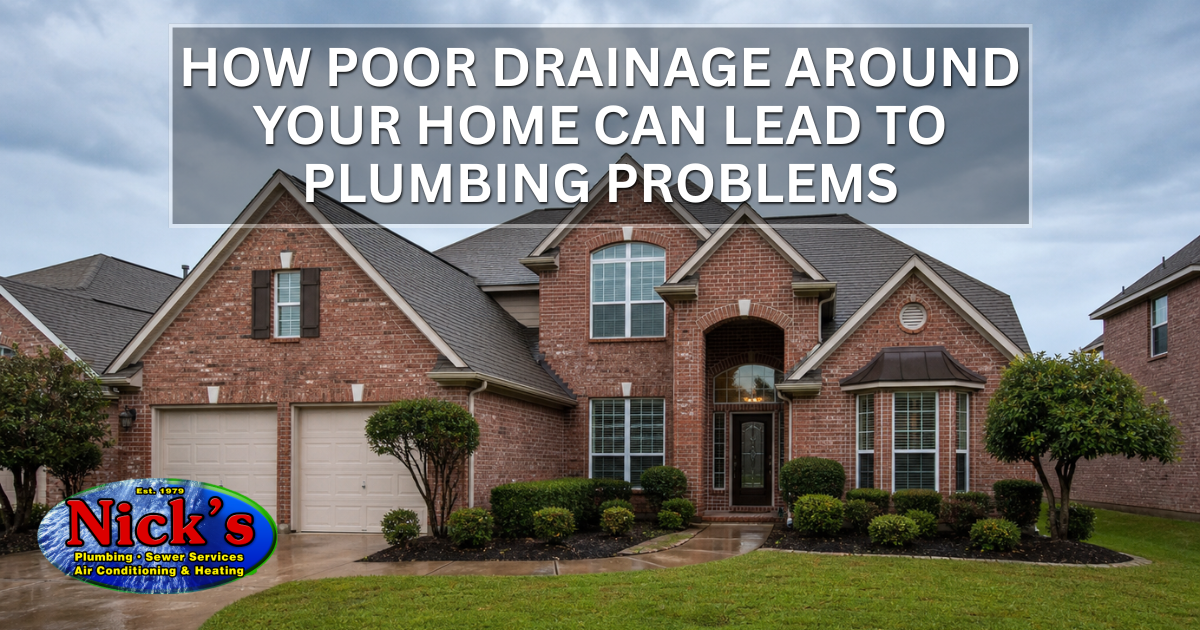
Heavy spring rain in Houston can cause hidden plumbing leaks by shifting soil, increasing underground pressure, and stressing pipes beneath your home. Even a short, intense storm can lead to long-term plumbing issues if conditions beneath your foundation change.
There are several areas of Houston where soil composition and weather patterns create frequent expansion and contraction; these problems are more common than most homeowners realize.
Why Heavy Rain Affects Plumbing Systems
Heavy rainfall affects plumbing because water changes the stability of the soil surrounding underground pipes. When soil becomes saturated, it expands, shifts, or even erodes, which can place stress on buried plumbing lines.
In Houston’s hot-humid climate, “pop-up” spring storms often dump large amounts of water in a short time. This sudden saturation and the subsequent drying and shifting of soil will create uneven pressure around pipes, especially those running beneath slab foundations.
As the soil moves, the pipes either move with it—or resist it—and it is that tension, caused by heavy rain, where the real problems begin.
How Soil Movement Leads to Hidden Leaks
Soil movement following intense spring rainstorms can cause pipes to shift, crack, separate, or weaken at threaded connections, leading to hidden leaks beneath the surface. As with any plumbing issue that seeks to slowly, quietly, and methodically ruin your home, these leaks will start off slowly, making them difficult to detect until they worsen or you can see visible water damage.
Expansive clay soils, common throughout Harris County, absorb water and swell significantly. Later, as the ground dries out, the same soil shrinks. This constant expansion and contraction cycle puts additional stress on plumbing systems designed to remain stable.
In the areas closer to the Gulf Coast, you’ll find soil that looks and behaves more like sand, in that it drains water away more quickly. Sandy soil is more prone to shifting or washing away, which can remove support from pipes and cause them to sag or misalign.
Over time, these minor movements place the most stress on the threaded connections used to hold your plumbing system together. Soil shifts can cause threaded pipe ends or fittings to move, misaligning the threads and often leading to leaks that aren’t immediately visible but continue to worsen.
Why Slab Foundations Are Especially Vulnerable
Homes built on slab foundations are particularly vulnerable to plumbing leaks after heavy rain because pipes are embedded beneath or within the concrete. When the foundation shifts, the plumbing system is forced to move with it.
Even minor foundation movement can place stress on water lines, sewer lines, and fittings. This can lead to cracks, loose joints, or full pipe separations.
When a small water leak occurs beneath a slab foundation, it can remain hidden for weeks or months as leaking water accumulates in the soil beneath the home. Eventually, all of this excess water has to go somewhere, and since most of us are familiar with the old saying, “water always finds its way,” in this case, the water’s “way” could be upwards through cracks in your patio, requiring a costly slab leak repair.
If you notice signs of a slab leak, it’s important to address the issue quickly with professional leak detection and repair services in Houston.
Signs You May Have a Hidden Plumbing Leak After a Stormy Night
Hidden plumbing leaks often show subtle warning signs before becoming major problems. After a period of heavy rain, homeowners should pay attention to any changes inside and outside the home.
You might notice unexplained increases in your water bill, even if your usage hasn’t changed. Inside the house, musty odors or persistent humidity usually mean something is constantly wet where it shouldn’t be. Check under bathroom vanities and kitchen cabinets for signs of water leakage. Damp or warm spots on the flooring can indicate water leaking beneath the slab. A sudden drop in water pressure may also point to a compromised pipe.
Outside the home, isolated areas of unusually lush grass or pools of standing water can indicate an underground leak from a cracked sewer line.
Why These Problems Are Common in Houston
Plumbing leaks following heavy storms are more common in Houston due to a combination of soil conditions, the region’s high seasonal rainfall, and longer cooling seasons than other parts of the country. With average summer temperatures exceeding 95°F and humidity regularly above 70%, continuous cycles of soil expansion and contraction are common.
Houston’s clay soils are particularly reactive to changes in moisture. When combined with sudden, heavy spring rainfall, these conditions create the perfect environment for foundation movement and plumbing stress.
As more homes in the area are built on slab foundations, more plumbing systems will be directly affected by what happens beneath the concrete surface.
How to Reduce the Risk of Rain-Related Plumbing Leaks
Homeowners can reduce the risk of plumbing leaks after heavy rain by managing how water moves around their home. Maintaining adequate drainage is one of the most effective ways to protect both the foundation and the plumbing system.
Keeping gutters clean and ensuring that downspouts extend far enough to direct water away from the home can prevent soil near the foundation from becoming overly saturated. Grading should slope away from the house to encourage runoff instead of pooling.
Maintaining consistent soil moisture can also help stabilize expansive clay soils. During dry periods, controlled watering around the foundation can prevent excessive shrinkage that leads to movement.
If your home is experiencing unusual issues following a spring storm, a professional inspection may be needed to identify vulnerabilities before they become costly repairs.
When to Call a Plumber
If you suspect a hidden plumbing leak after heavy rain, it’s best to act quickly before the problem worsens. Small leaks can develop into larger issues over time, especially when they occur out of sight, such as beneath a foundation.
Nick’s Plumbing not only provides leak detection and repair services throughout Houston, but we also service Katy, Sugar Land, and other surrounding areas. If you’ve noticed warning signs after a storm, scheduling an inspection can help identify the source of the problem and prevent further damage.
FAQ: Plumbing Leaks After Heavy Rain
Can heavy rain cause plumbing leaks?
Yes, heavy rain can cause plumbing leaks by shifting soil, increasing pressure on underground pipes, and contributing to foundation movement. These conditions can stress pipes and lead to cracks or separations.
Why do leaks show up after a storm?
Leaks often appear after storms because the ground becomes saturated and unstable. This movement can weaken pipes or expose previously unnoticed vulnerabilities.
What is a slab leak?
A slab leak is a leak that occurs in the water lines beneath a home’s concrete foundation. These leaks can be difficult to detect and may cause structural or moisture-related damage if left untreated.
How do I know if I have a hidden leak?
Signs of a hidden leak include higher water bills, reduced water pressure, damp spots on floors, musty odors, or unexplained moisture around the home.
Should I get my plumbing inspected after heavy rain?
If your home has experienced significant rainfall or you notice changes in your plumbing system, a professional inspection can help identify issues early and prevent more serious damage.
Let Nick’s Find and Correct the Source of Your Storm-Related Plumbing Issues
Spring storms may pass quickly, but the effects they leave behind can last much longer. If you suspect a hidden plumbing issue after heavy rain, Nick’s Plumbing is here to help with expert leak detection and repair services designed for Houston homes.
Stormy Weather, Hidden Leaks? We’re on It.
Professional leak detection and repair for Houston, Katy, Sugar Land, and surrounding areas.
Call Now: (713) 868-9907 Schedule Online
Slab Leaks • Leak Detection • Plumbing Repair