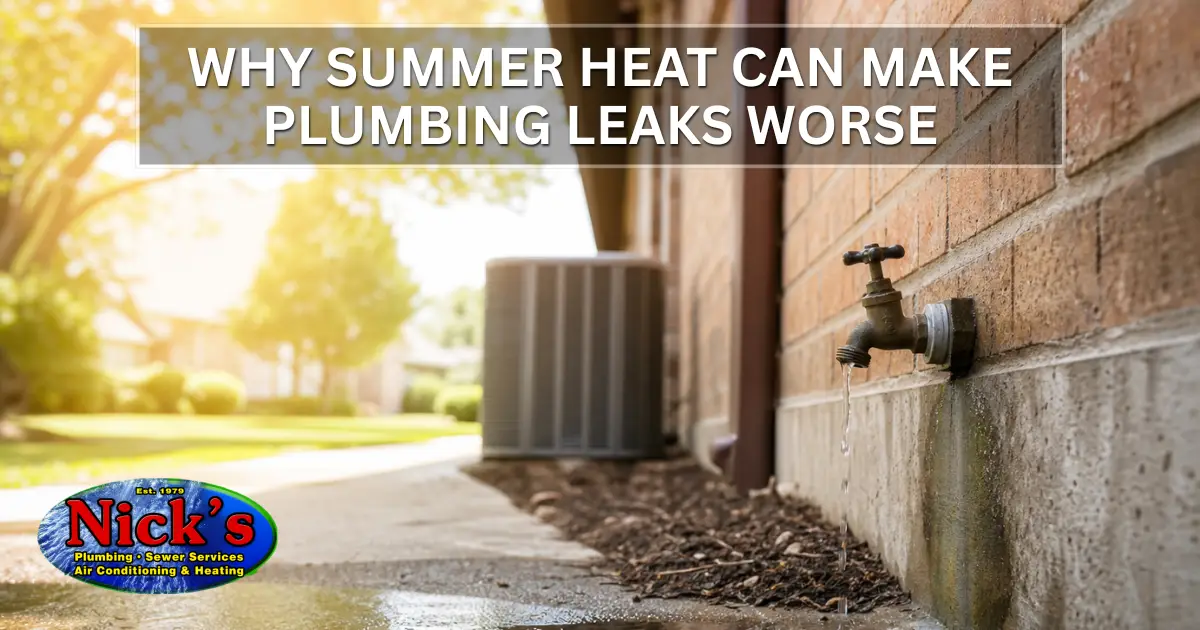
A Houston, Texas summer has a way of exposing weaknesses in a home.
Houston is known around the world for its work within the oil and gas industries, the Astrodome, and NASA: all of them are part of different, larger-than-life businesses.
But do you know what Houston is REALLY famous for around the world?
Extreme heat, extreme humidity, and the eight-month summer.
Our slice of the Gulf of Mexico coast (as well as the 50–75 miles of surrounding inland areas) is considered a 2A climate zone, which indicates a hot, humid environment. It is a cooling-dominated region with long, sweltering summers, high moisture levels, and short, mild winters.
What Are the Challenges Our Homes Face in the Real World?
Homes that rely on air conditioning for 24/7 operation will face unique challenges depending on where you choose to buy.
Modern and aging HVAC systems have to work harder to keep your home at a comfortable temperature and humidity level. Roofs endure relentless direct sunlight, torrential downpours, and not-so-occasional hailstorms. Concrete slab foundations expand and contract due to the Houston heat and our constantly shifting soil conditions. Plumbing systems — especially older ones — face a battle every summer and often find themselves under stress they didn’t experience during the cooler months.
Remember that leak in the water heater closet you found last fall that seemed like a minor inconvenience to be dealt with later.
You do?
GOOD!
You’ll be thrilled to know that the small, annoying water drip has now officially turned into a broken spigot, spewing 5–7 gallons per minute onto your flooring and carpets. Which really doesn’t sound like much, but I dare either of us to pump 7 gallons of water per minute for an hour or two into our homes, to prove or myth-bust how much damage can occur when only water is present.
For homeowners, understanding why this happens can help prevent small problems from turning into expensive repairs.
Why Plumbing Leaks Get Worse During Summer
Unless you’re dealing with a burst pressurized water supply line, 99% of plumbing leaks don’t just magically appear overnight. They generally start as small weaknesses — ones that can be easily overlooked, such as tiny cracks, loose fittings, worn seals, or aging pipe materials (galvanized steel, PVC, or copper) that slowly deteriorate over time.
During the summer, however, those existing problems are often easily exacerbated by the weather, increased outdoor water usage, and, in older systems, failing components and a lack of regular maintenance.
At the same time, many homeowners spend less time noticing subtle warning signs because they’re focused on keeping cool and managing summer activities.
The leak was already there.
Summer simply makes it harder to ignore.
Heat, Drought, and Soil Movement
One of the most overlooked causes of plumbing problems during the summer is soil movement. Houston’s clay-heavy soils are constantly reacting to moisture levels. During rainy periods, the soil expands. During hot, dry periods, it contracts. We’re not talking about a small amount of expansion here. Clay-heavy soil reacts to heavy rainstorms by swelling and becoming sticky, which slows water absorption and leads to excessive surface runoff, flash floods, and soaked, soggy lawns.
Because of the tiny particulate makeup of clay-heavy soil, it cannot process large quantities of water very quickly, limiting the amount of oxygen available to plant roots. Plus, there is the expensive risk that each storm brings with it of long-term structural or erosion damage.
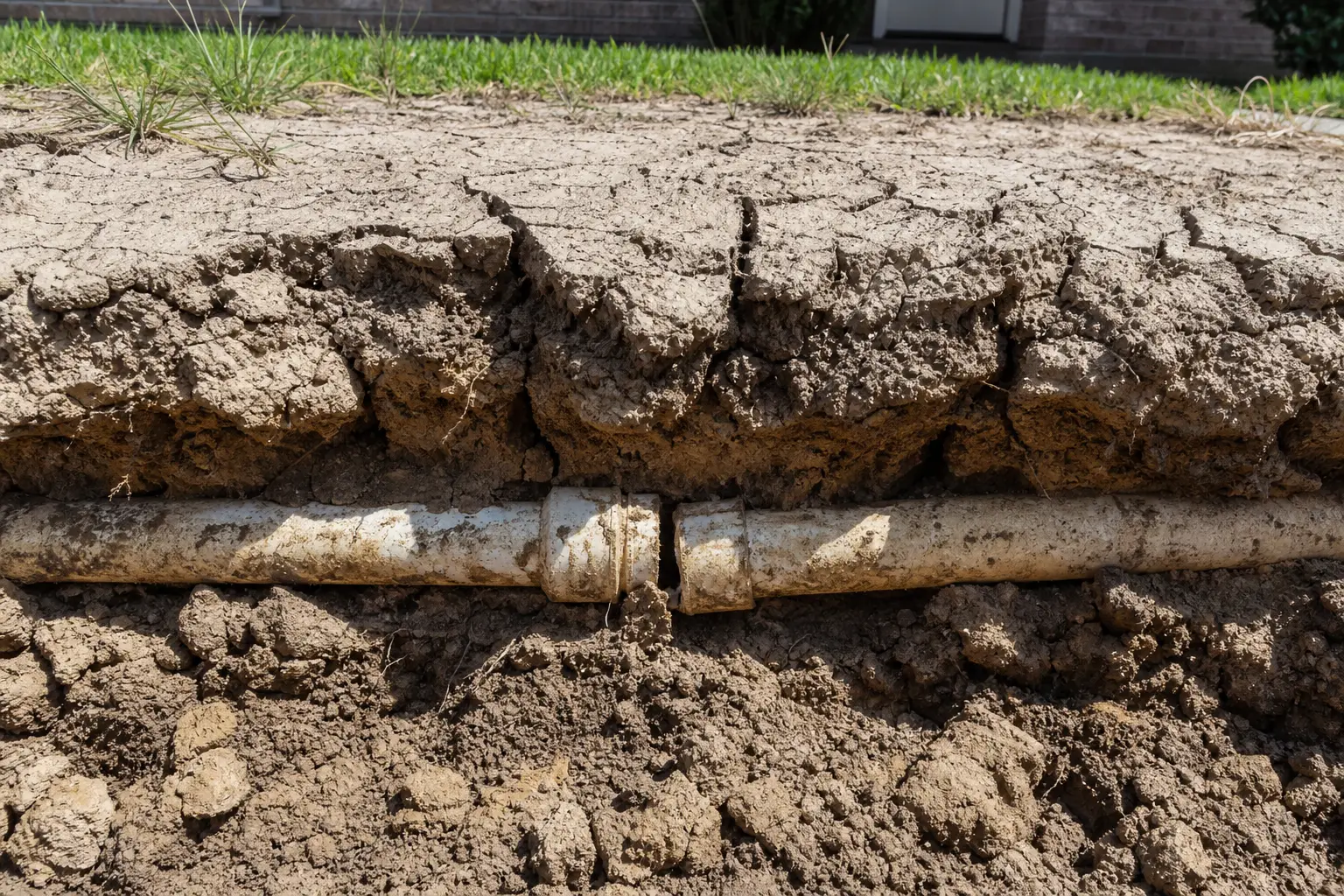
That movement may seem insignificant from the surface, but underground plumbing lines feel the effects directly. As the soil shifts, buried pipes can experience stress at joints and connection points. Over time, that pressure can contribute to cracks, separations, and underground water leaks.
In areas like Northwest Houston, the soil contains a large amount of sand and smaller amounts of clay, which can significantly affect drainage patterns and soil movement. Just like with the city’s soil issues, these seasonal changes in the suburbs can place additional strain on aging plumbing systems.
Increased Water Usage Can Hide a Leak
Summer is also when most homeowners use more water than at any other time of the year. Lawns require irrigation. Gardens need attention. Kids are home from school. Pools are being filled and maintained.
The problem is that higher seasonal water use can make it difficult to detect a leak.
If your water bill increases during the summer, it’s easy to assume the additional usage is simply part of the season. In reality, some of that increase may be coming from a hidden plumbing leak.
That’s one reason leak detection becomes particularly important during warmer months.
The Hidden Cost of a Small Leak
Many homeowners think of leaks in terms of immediate damage.
- A dripping faucet.
- A wet cabinet floor.
- A puddle beneath a fixture.
But hidden plumbing leaks often create a different type of problem.
Even a relatively small leak can waste hundreds or thousands of gallons of water over time. As temperatures rise and evaporation increases, homeowners may never see visible standing water while the leak continues quietly beneath the surface.
The result is often an impossibly high water bill that arrives long before obvious plumbing symptoms appear.
Signs You May Have a Hidden Leak
Fortunately, most plumbing leaks provide warning signs before major damage occurs.
Some of the most common include:
- unexplained increases in water bills
- damp or unusually green areas in the yard
- reduced water pressure
- sounds of running water when fixtures aren’t in use
- musty odors inside the home
- warm spots on the floors
- foundation cracks that appear unexpectedly
Not every symptom points directly to a leak, but they can definitely indicate that further investigation is warranted.
Why Early Leak Detection Matters
The longer a leak remains undetected, the more opportunities it has to create secondary damage.
Water can weaken soil beneath foundations, contribute to mold growth, damage flooring, and increase utility costs month after month.
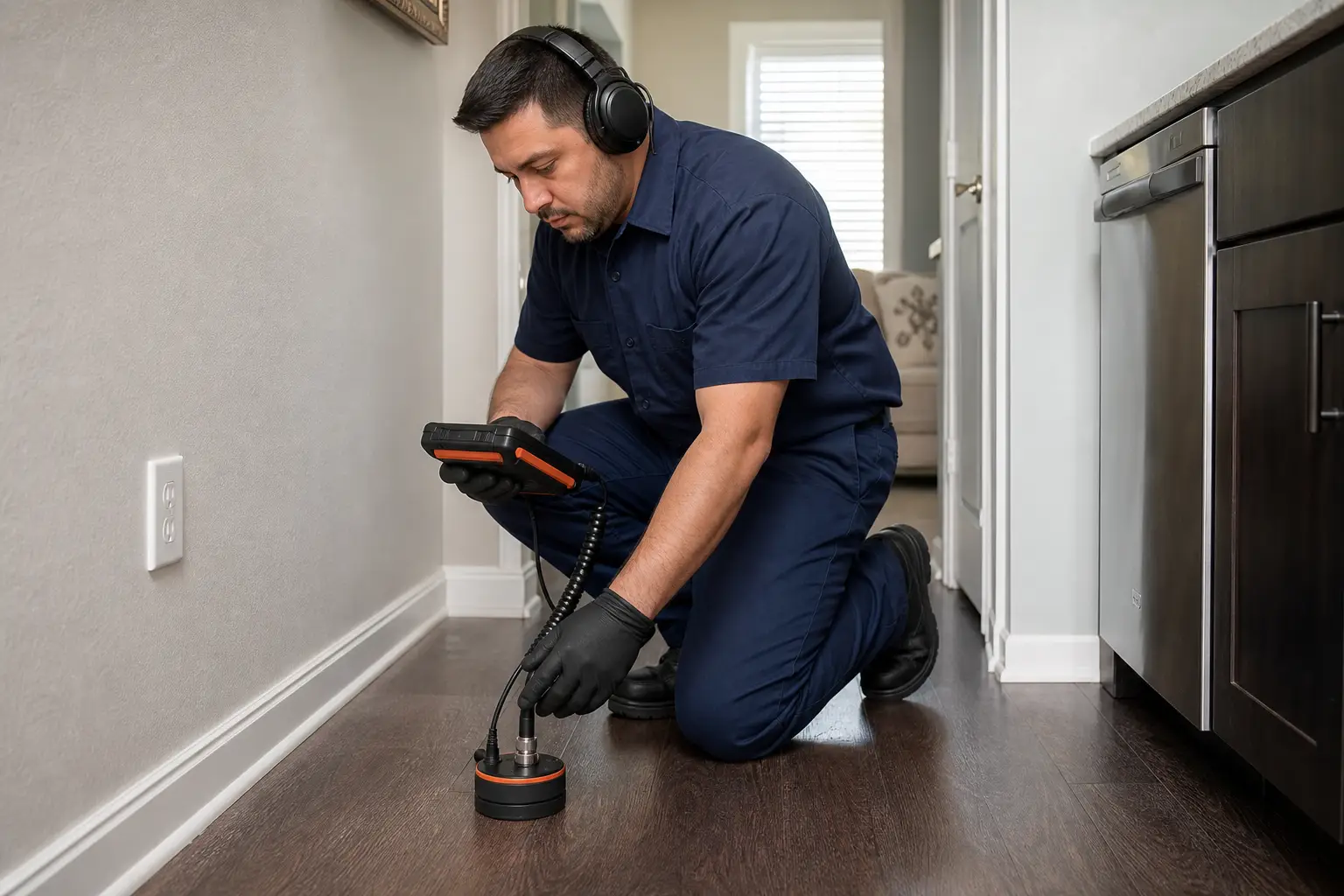
In neighborhoods like The Heights and Montrose, where their historic homes may have a mix of older and newer plumbing equipment, identifying issues early can significantly reduce repair costs and prevent larger structural problems from developing.
Modern leak detection technology allows plumbers to locate many leaks without extensive excavation or unnecessary disruption to the home.
That means problems can often be addressed before they become emergencies.
FAQ: Summer Heat and Plumbing Leaks
Do plumbing leaks get worse during summer?
Yes. Higher temperatures, increased water use, and shifting soil conditions can all make leaks more noticeable or severe.
Why is my water bill higher during the summer?
Some increase is normal due to seasonal water use, but unexplained spikes may indicate a hidden leak.
How does hot weather damage pipes?
Extreme temperature changes and soil movement can place stress on plumbing systems and contribute to failures over time.
What are the warning signs of a hidden leak?
High water bills, damp spots, reduced pressure, unusual sounds, and foundation-related symptoms are common indicators.
Should I have a suspected leak inspected?
Yes. Early detection can prevent more extensive water damage and reduce repair costs.
Before We Go…
Summer heat doesn’t usually create plumbing leaks — but it often reveals them.
The combination of increased water usage, shifting soil, and prolonged heat can turn a small plumbing issue into a much larger problem before homeowners realize what’s happening.
Call Nick’s Plumbing today to schedule a summertime plumbing inspection, while all of the problems are happy to expose themselves to anyone who looks hard enough!
Nick’s also offers our customers membership in our VIP Maintenance Plan, which tracks the condition and usage of your HVAC systems and uses sensors and automatic shut-off valves to monitor your home for plumbing leaks. When a leak is detected, the homeowner is notified via the Nick’s Plumbing App, and, if necessary, they can shut off the main water inlet pipe from anywhere in the world!
Paying attention to early warning signs and addressing leaks promptly can help protect your home, plumbing system, and wallet throughout Houston’s hottest months.
Think You Might Have a Hidden Summer Leak?
Nick’s Plumbing serves Houston, Katy, Cypress, The Woodlands, and surrounding areas. Schedule a summertime plumbing inspection before a small leak becomes a big repair.
Call Now: (713) 868-9907 Schedule Online
Leak Detection • Slab Leak Repair • Plumbing Maintenance