
Hidden drain leaks are among the most frustrating problems a Houston homeowner can face. When drain and sewer lines run beneath a concrete slab, a leak rarely shows itself right away. Instead, it shows up slowly through recurring backups, sewer odors, or damp floors with no obvious source.
Nick's Plumbing & Air Conditioning provides hydrostatic leak testing in Houston to confirm whether your drain system is leaking below the slab. It gives you clear answers before anyone cuts concrete, and helps you avoid repeated repairs that never solve the real problem.
What Hydrostatic Leak Testing Is, and What It Is Not
Residential hydrostatic testing relies on still water and gravity. The goal is simple: find out whether the underground drain system can hold a steady water level. If it cannot, water is escaping somewhere below the slab or in the drain piping leading to the main sewer line.
This is different from pressure testing:
- Hydrostatic testing checks drain and sewer lines, where water flows by gravity and is not under pressure
- Pressure testing checks water supply lines, which are pressurized, for leaks in the pipes that feed your fixtures
Knowing which system is suspected determines which test is appropriate. If the concern is a supply line leak, see our water leak repair service.
Signs You May Need Hydrostatic Testing
Testing is recommended when there are signs of a drain or sewer leak but the source is not visible:
- Persistent sewer odors inside the house
- Drain backups that return shortly after cleaning
- Damp flooring, carpet, or baseboards with no clear cause
- Ongoing moisture near the foundation
- Cracks or shifting that may be related to soil washout under the slab
Most Houston homes are built on slab foundations, so underground drain leaks can go undetected for months or years.
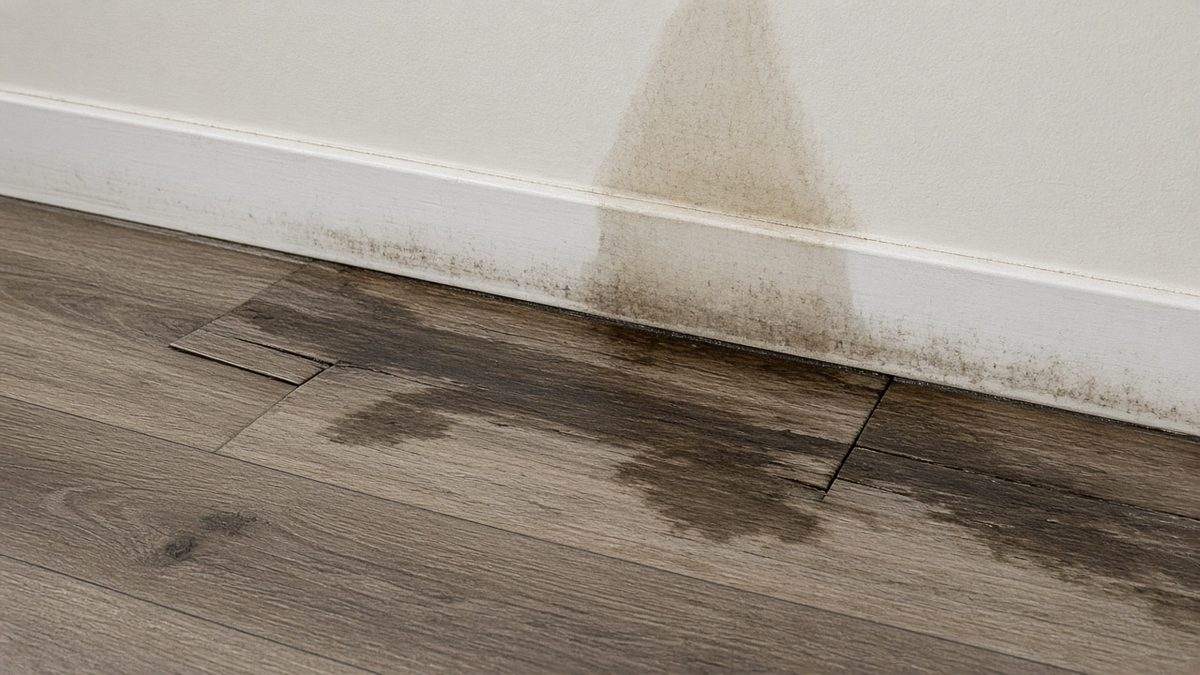
Recurring backups or a suspected sewer leak? Hydrostatic testing can give you answers before costly repairs begin.
How the Hydrostatic Testing Process Works
Every home's plumbing is different, but testing follows a careful, methodical process:
- Access - Certain fixtures, often a toilet, may be temporarily removed to reach the drain system
- Isolation - Specialized test plugs block off the drain or sewer line so the system being tested is fully contained
- Fill - The drain system is filled with water to a set level
- Monitor - The water level is watched over time. A steady level means the system is holding. A drop means water is escaping.
- Isolation testing, if needed - When a leak is confirmed, additional testing narrows down the affected section of pipe
Narrowing the leak down lets repairs be planned precisely, avoiding unnecessary slab cutting or widespread excavation.
Why Testing Matters Before Major Repairs
Without proper testing, underground plumbing problems often lead to trial-and-error fixes: replacing fixtures, cleaning drains again and again, or authorizing slab work without confirming the source is actually under the concrete.
Hydrostatic testing removes that uncertainty. It is especially important before foundation work, tunneling, or slab access is considered. Knowing exactly what is happening below the slab can save significant time, money, and disruption.

What Happens After the Test
If the system holds, you can rule out a drain leak below the slab and focus on other causes. If a leak is confirmed, we review your options based on the age, condition, and layout of your plumbing. Depending on what we find, that may include targeted sewer line repair, trenchless sewer repair, or a broader solution.
Related services include sewer leak detection and full plumbing inspections.
Hydrostatic Leak Testing Cost in Houston
On this page's pricing guide, hydrostatic leak testing typically starts around $1,650. If a leak is confirmed, isolation testing to locate the affected section is billed at $295 per hour.
Online prices are a planning guide, not a final quote. We confirm scope after reviewing your home's plumbing layout. Financing is available when repairs are needed.
Why Houston Homeowners Trust Nick's Plumbing
- Family owned since 1979 - Decades of experience with Houston slab-foundation homes
- Testing done carefully - Never rushed or treated as a formality
- Clear explanations - We review the results and walk you through every option
- Diagnosis, not a sales tactic - We recommend repairs that make sense for your home, not unnecessary work
Serving The Heights, Montrose, Memorial, and surrounding Houston neighborhoods. Get answers before a small drain leak turns into structural repairs and major expense.
Frequently Asked Questions
How much does hydrostatic leak testing cost in Houston?
Hydrostatic leak testing at Nick's Plumbing typically starts around $1,650. If a leak is confirmed, isolation testing to narrow down the affected section is billed per hour at $295. Pricing quoted online is not a final cost until a technician reviews the home's plumbing layout.
What is hydrostatic leak testing?
Hydrostatic testing is a diagnostic method that checks whether a home's drain and sewer system is leaking beneath the slab. The drain system is plugged, filled with water to a set level, and monitored. If the water level drops, water is escaping somewhere below the house or within the drain piping.
How is hydrostatic testing different from pressure testing?
Hydrostatic testing uses still water and gravity to check drain and sewer lines, which are not pressurized. Pressure testing applies controlled pressure to water supply lines to find leaks in pressurized pipes. The right test depends on whether the suspected leak is in the drains or the water supply.
What are signs I may need hydrostatic testing?
Common signs include persistent sewer odors indoors, drain backups that return soon after cleaning, damp flooring or baseboards with no visible source, and ongoing foundation moisture. Because most Houston homes sit on slab foundations, drain leaks below the slab can go unnoticed for a long time.
What happens if the test finds a leak?
If the water level drops, isolation testing is recommended to narrow down which section of piping is leaking. That lets repairs be planned precisely, avoiding unnecessary slab cutting. Options may range from a targeted spot repair to broader sewer line repair or replacement, depending on the age and condition of the system.
Schedule Hydrostatic Leak Testing in Houston
Recurring drain problems, unexplained odors, or damp floors? Get clear answers about what is happening beneath your home.
Call Now: (713) 868-9907 Schedule Leak Testing
Slab Drain Testing • Isolation Testing • Repair Options

 2 days ago