
Most plumbing leaks eventually introduce themselves.
A dripping faucet makes noise. A leaking toilet leaves water on the floor. A broken supply line may announce itself with all the subtlety of somebody opening a fire hydrant in your kitchen.
They can develop beneath several inches of concrete, flooring, furniture, and everything else you happen to own.
By the time you notice something is wrong, the leak may have been quietly running for weeks, or considerably longer.
That’s what makes slab leaks particularly troublesome for Houston homeowners. Combine pressurized water lines with aging plumbing infrastructure, concrete foundations, and soil that constantly expands and contracts beneath our homes, and you’ve created an environment where a relatively small plumbing leak can become a very expensive problem.
The trick is recognizing the clues before your foundation starts participating in the conversation.
What Is a Slab Leak?
A slab leak occurs when a water line beneath or within your home’s concrete slab foundation begins leaking. Depending on how your home was constructed, plumbing lines may run beneath the foundation before entering walls and supplying fixtures throughout the house.
Those pipes spend their lives somewhere homeowners can’t casually inspect. When a connection fails, a pipe corrodes, or movement causes the line to crack, water begins escaping beneath the slab.
And unlike a leaking pipe beneath the kitchen sink, there’s no cabinet door you can open to see what’s happening.
The concrete is doing exactly what it was designed to do.
Unfortunately, that includes hiding your plumbing problem.
Houston’s Soil Doesn’t Make Life Any Easier
We’ve talked about Houston’s expansive clay soil before because, frankly, it keeps giving us material.
Clay soil reacts dramatically to moisture.
During extended dry periods, it loses moisture and contracts. When heavy rain returns, the soil absorbs water and expands.
Your foundation sits directly above all that movement.
Homes are engineered to tolerate normal soil conditions, but decades of expansion, contraction, settling, droughts, floods, and occasional weather events Houston probably should have charged admission for can place stress on both foundations and the plumbing around them.
That doesn’t mean every foundation movement causes a slab leak.
It does mean underground plumbing in Houston lives in a much more interesting neighborhood than we’d prefer.
Age Matters, Too
Pipes don’t have an unlimited lifespan.
Older Houston homes may contain plumbing materials that have been underground for decades. Corrosion, mineral buildup, weakened fittings, previous repairs, installation methods, and simple age can all affect how well those lines tolerate continued use and movement.
Even newer plumbing isn’t indestructible.
A pipe can be damaged during construction. Abrasion against surrounding materials can weaken it over time. Poor connections can eventually fail. Changes beneath the foundation can stress sections of piping.
The important point is that “slab leak” describes where the leak is occurring, not why it happened. Finding the actual source matters considerably more than guessing at the cause.
The Signs of a Slab Leak Aren’t Always Obvious
Sometimes a slab leak gives you a pretty good clue.
Other times, you become a plumbing detective without realizing you’ve accepted the job.
Watch for changes such as:
- An unexplained increase in your water bill: If household water habits haven’t changed but consumption suddenly has, water may be escaping somewhere you can’t see.
- The sound of running water: Hearing water movement when faucets, toilets, appliances, and irrigation systems aren’t operating deserves investigation.
- Warm areas on the floor: A leaking hot-water line can sometimes create noticeably warmer sections of flooring.
- Damp flooring or carpet: Moisture appearing without an obvious source can indicate water migrating upward from beneath the slab.
- Low water pressure: A significant supply-line leak can reduce the pressure available at fixtures.
- Musty odors: Persistent moisture can create conditions that encourage mold and mildew growth beneath flooring or inside nearby building materials.
- Cracks or changes in flooring: Unexplained flooring movement or damage can accompany moisture problems, although cracks alone aren’t proof of a plumbing leak.
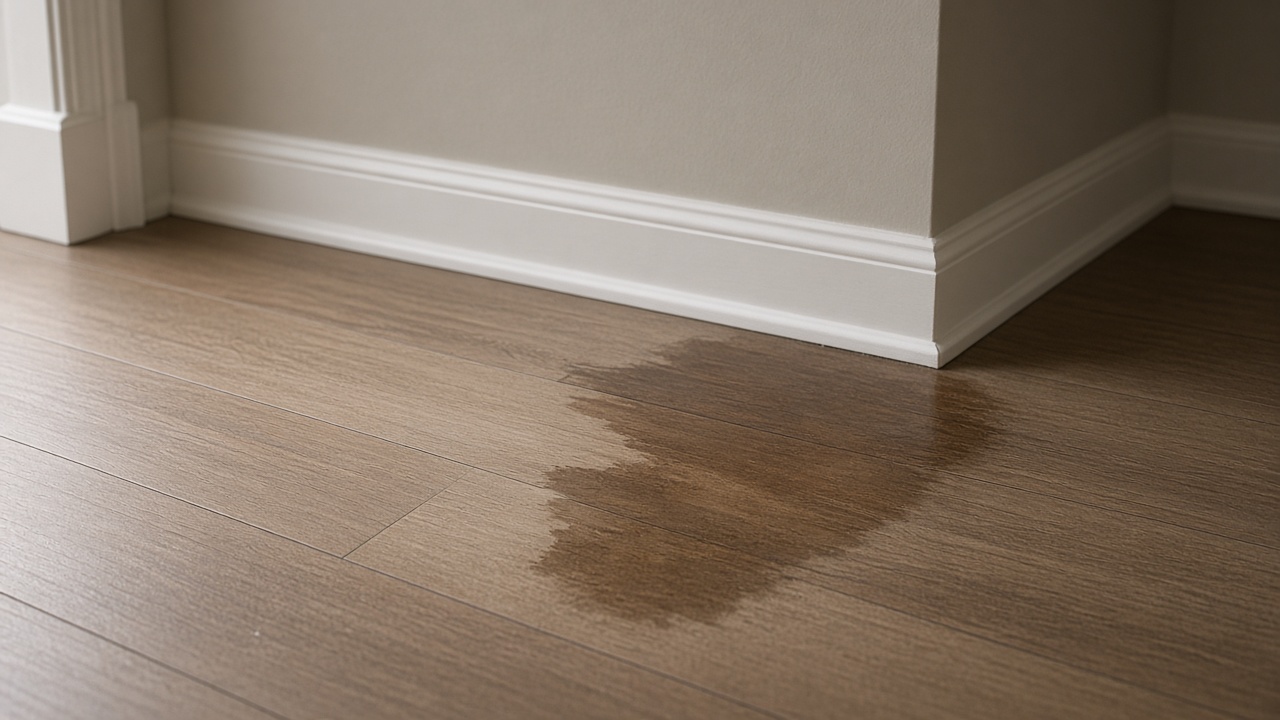
No single symptom automatically diagnoses a slab leak.
That’s important.
A high water bill could have several causes. Low pressure could come from somewhere else in the plumbing system. Foundation cracks certainly don’t automatically mean a broken pipe underneath. These are the clues.
The diagnosis comes later.
Houston Reality Check
Houston homeowners tend to become familiar with foundation movement whether they wanted that particular education or not.
Doors begin sticking, small drywall cracks appear, tiles shift. Once someone notices higher water bills, it won’t be long before they investigate the cause and start connecting the dots.
A plumbing leak can add moisture beneath a foundation, while foundation or soil movement can stress underground plumbing. But seeing signs of foundation movement doesn’t automatically mean a slab leak caused them.
That’s why diagnosis matters.
Otherwise, we’d blame every household problem on the dirt beneath Houston.
Admittedly, the dirt has earned some suspicion.
How Plumbers Find a Leak Under Concrete
Fortunately, finding a slab leak doesn’t usually begin with someone randomly attacking your floor with a jackhammer.
Professional leak detection uses several diagnostic methods, depending on the plumbing system and the suspected leak location.
A plumber may begin by verifying that water is actually being lost from the pressurized plumbing system. From there, specialized equipment can help narrow down the source.
Acoustic equipment can detect sounds created by escaping pressurized water. Pressure testing can help isolate portions of the plumbing system. Thermal imaging may sometimes reveal temperature differences associated with a leaking hot-water line.
The exact approach depends on the home and what the initial inspection reveals.
The goal is simple:
Find the leak with as little unnecessary destruction as possible.
Your bank account will be grateful that you caught the problem and got proper help.
Repairing a Slab Leak Doesn’t Always Mean Tearing Up the House
Sometimes direct access through the slab is the appropriate repair.
Sometimes it isn’t.
Depending on the leak’s location, the condition of the plumbing, accessibility, and the overall system, repair options can include accessing the damaged section directly, rerouting the affected water line, or repiping portions of the system.
A localized failure in otherwise healthy plumbing differs from an aging system with repeated leaks.
That’s why repair recommendations should follow diagnosis, not precede it.
First, find out what’s broken.
Then decide the smartest way to fix it.
Radical concept, apparently.
Don’t Let the Water Meter Keep the Secret
If you suspect a hidden leak, your water meter can provide a useful first clue.
Turn off faucets and make sure toilets, washing machines, dishwashers, irrigation systems, and other water-using equipment aren’t operating.
Then check the meter.
If it continues registering water use when everything in the home should be off, water may be escaping somewhere in the system.
That doesn’t mean you definitely have a slab leak, but it tells you there’s something worth investigating.
A Small Leak Doesn’t Stay Small Just Because You Can’t See It
That’s ultimately what Houston homeowners should understand about slab leaks.
The concrete doesn’t make the leak less important.
It makes the leak harder to notice.
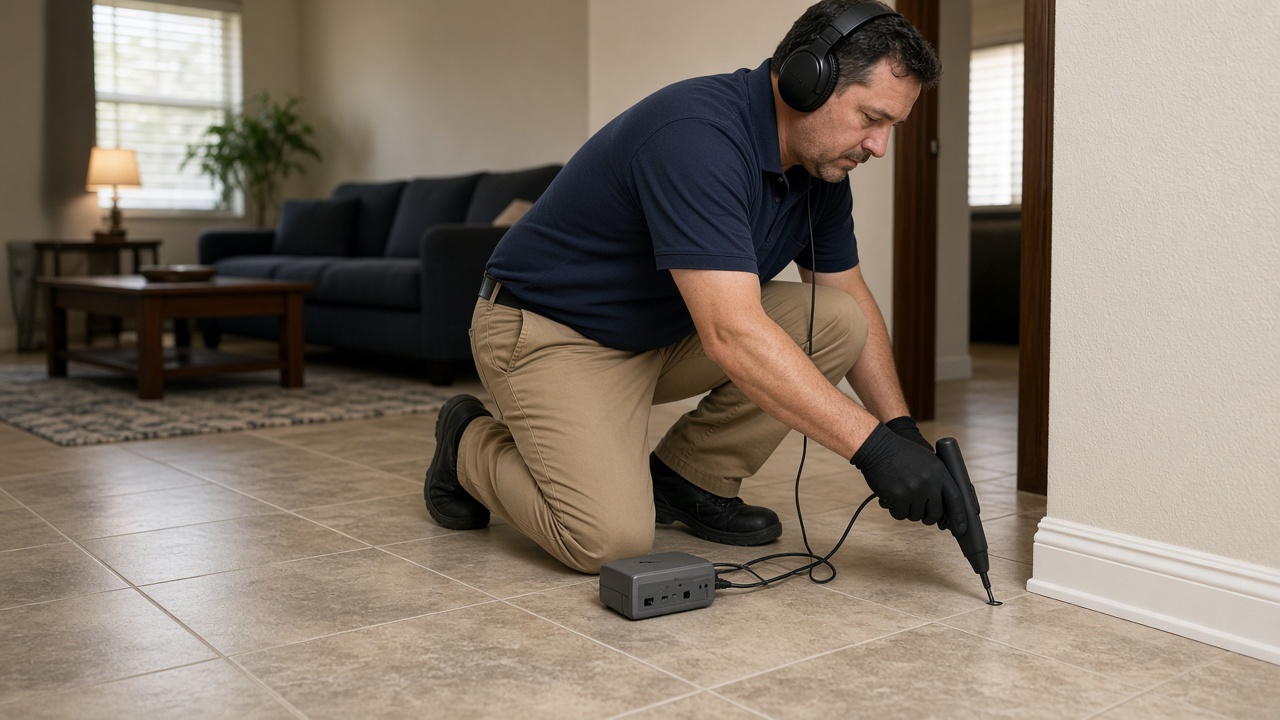
If your water bill suddenly increases, you hear unexplained running water, notice warm or damp flooring, experience unexpected pressure changes, or see other signs that water may be escaping beneath your home, don’t try to diagnose the problem based on one symptom.
Have the plumbing system inspected.
The sooner you locate the source, the sooner you can determine whether you’re dealing with a minor repair, a larger plumbing problem, or something completely unrelated.
Because when water is running underneath your foundation, out of sight is about the worst place for it to be.
If you suspect a slab leak, the licensed plumbers at Nick’s Plumbing & Air Conditioning can inspect your plumbing system, locate hidden leaks, and recommend the appropriate repair based on what they actually find.
Free estimates are available for qualifying work; our 90-day warranty backs every repair, and you can call (713) 868-9907 to schedule service.
Frequently Asked Questions
How can I tell if I have a slab leak?
Possible signs include an unexplained increase in water use, sounds of running water when fixtures are off, warm or damp flooring, reduced water pressure, musty odors, and unexplained moisture. These symptoms can have other causes, so professional diagnosis is important.
Can a slab leak damage my foundation?
A long-term leak can alter moisture conditions or contribute to erosion beneath or around portions of a foundation. The extent of any damage depends on the location, severity, duration, soil conditions, and other factors.
Does a slab leak always require breaking through the concrete?
No. Direct access through the slab is one repair method, but rerouting or repiping may sometimes provide a better solution. The appropriate repair depends on the leak’s location and the condition of the plumbing system.
How quickly should I repair a slab leak?
Once a slab leak is confirmed, address it promptly. Continuing leaks waste water and can increase the potential for damage to flooring, building materials, soil, and the surrounding structure.
Suspect a Slab Leak?
Nick’s Plumbing can locate hidden leaks under your slab and recommend the right repair based on what we find.
Call Now: (713) 868-9907 Schedule Online
Slab Leak Detection • Leak Repair • Repiping