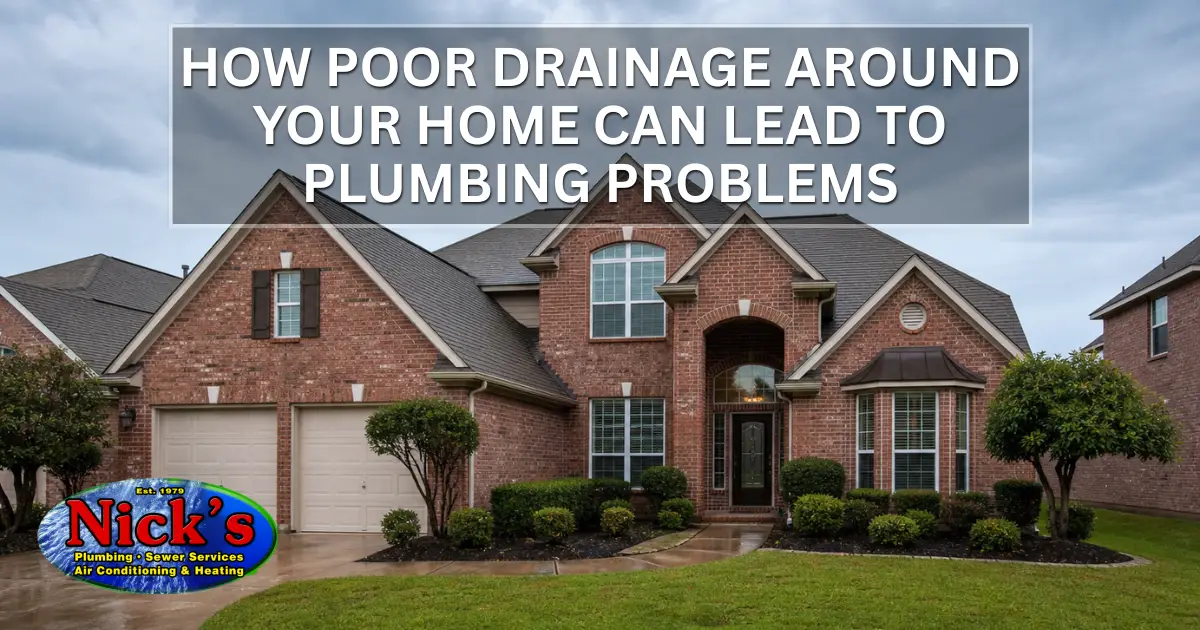
How Poor Yard Drainage Can Damage Your Foundation and Plumbing
Inadequate drainage around your home can create problems far more serious than a few puddles in the yard after a rainstorm. Over time, excess standing water — especially around the foundation — can contribute to soil movement, structural shifting, and damage to underground plumbing that may not become apparent until it is exposed during a camera inspection or a partial excavation to visualize the source of the problem.
In Houston, where heavy spring rains and clay-heavy soil are common, drainage issues can quietly place enormous stress on both foundations and buried plumbing systems.
And unfortunately, many homeowners never even realize there’s a problem until they notice signs like foundation cracks, unexplained water use, or plumbing leaks that seem to appear out of nowhere.
Why Drainage Around Your Home Matters
You’ve heard the saying: water always finds its way. If you need proof, allow me to direct your attention to the Mississippi River or the Grand Canyon as just two examples. If the soil beneath your home’s foundation provides the path of least resistance for water to flow through, you can rest assured that it is the route the water will take.
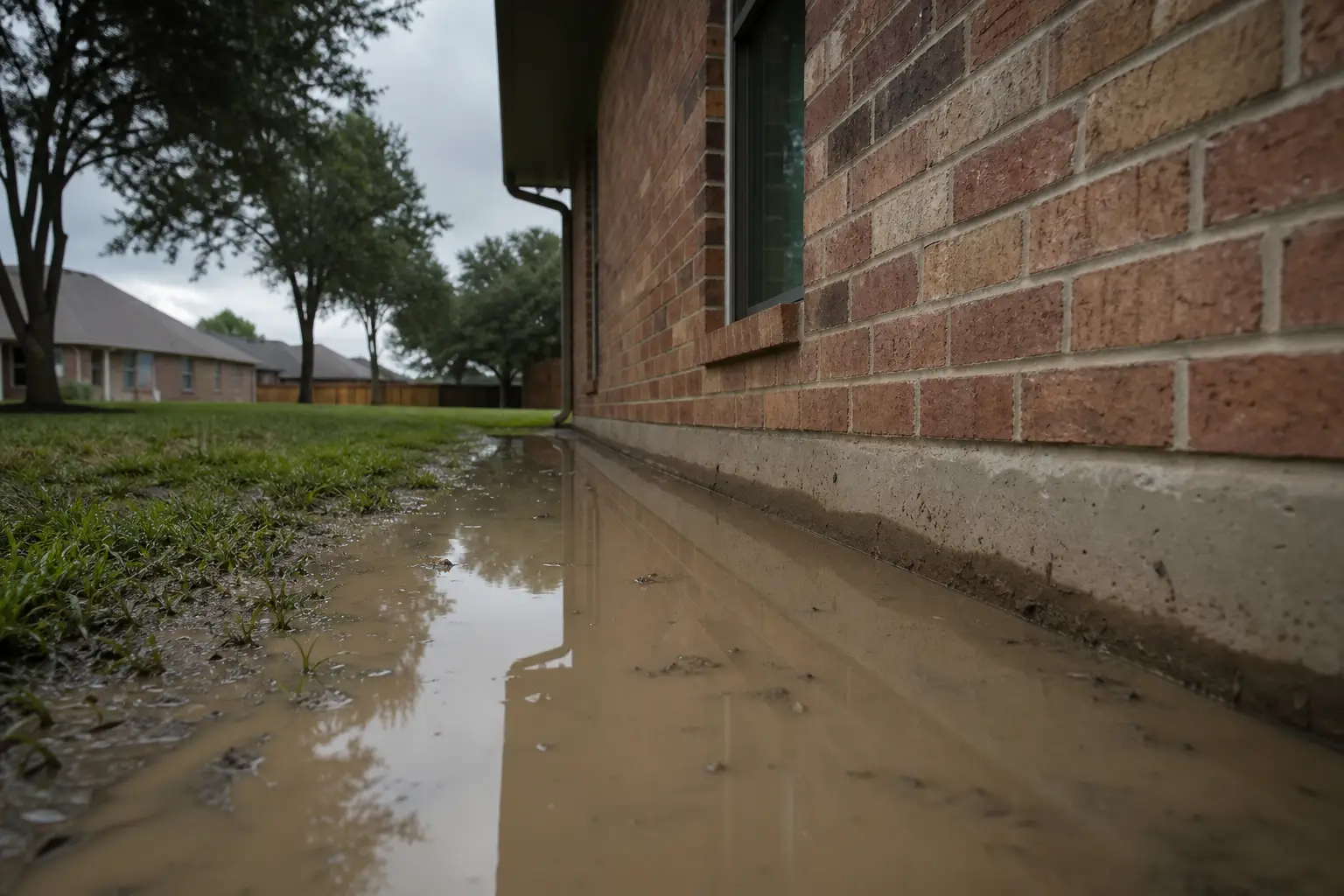
When rainfall isn’t directed safely away from the home, it tends to collect around the foundation and saturate the surrounding soil. Over time, that repeated saturation begins to alter the stability of the ground supporting the house. Since your plumbing system is connected directly to the home and pipe runs are often beneath the slab foundation, those shifts can eventually put enough stress on underground pipes and fittings to cause failures.
In sandy loam soil, poor drainage leads to erosion and soil washout. In areas with clay-heavy soil, the ground expands when wet and contracts when dry. That constant movement can slowly affect the structure sitting on top of it, and may not show signs of trouble for months or years after.
Houston Soil Conditions Make the Problem Worse
Houston-area homes face a unique combination of weather and soil conditions that makes yard drainage issues especially important. Depending on where you call home in the Houston area, your home is built on either clay-heavy soil with little sand (vertisols) or sandy loam — a combination of around 90% sand and silt with a small amount (10%) of clay (alfisols).
The best methods for maintaining proper drainage outside your home will depend on the type of soil beneath it.
Vertisols, thanks to their high clay content, expand greatly when wet and contract — actually more of a shriveling-up process — when dry. The empty space left by the formerly swollen clay causes the soil to shift and fill the gaps left by the clay’s drying. These repeated expansion-and-contraction cycles cause regular soil movement beneath homes and can cause problems for the underground sections of their plumbing systems.
Alfisols only appear in areas north and west of the Houston city limits. The Woodlands, Spring, Cypress, and Tomball are almost completely built atop sandy loam, which drains significantly faster than clay-heavy soils, greatly reducing the number of hours standing water remains in your yard after a storm.
How Standing Water Affects Foundations
Standing water around the foundation creates uneven pressure beneath the home.
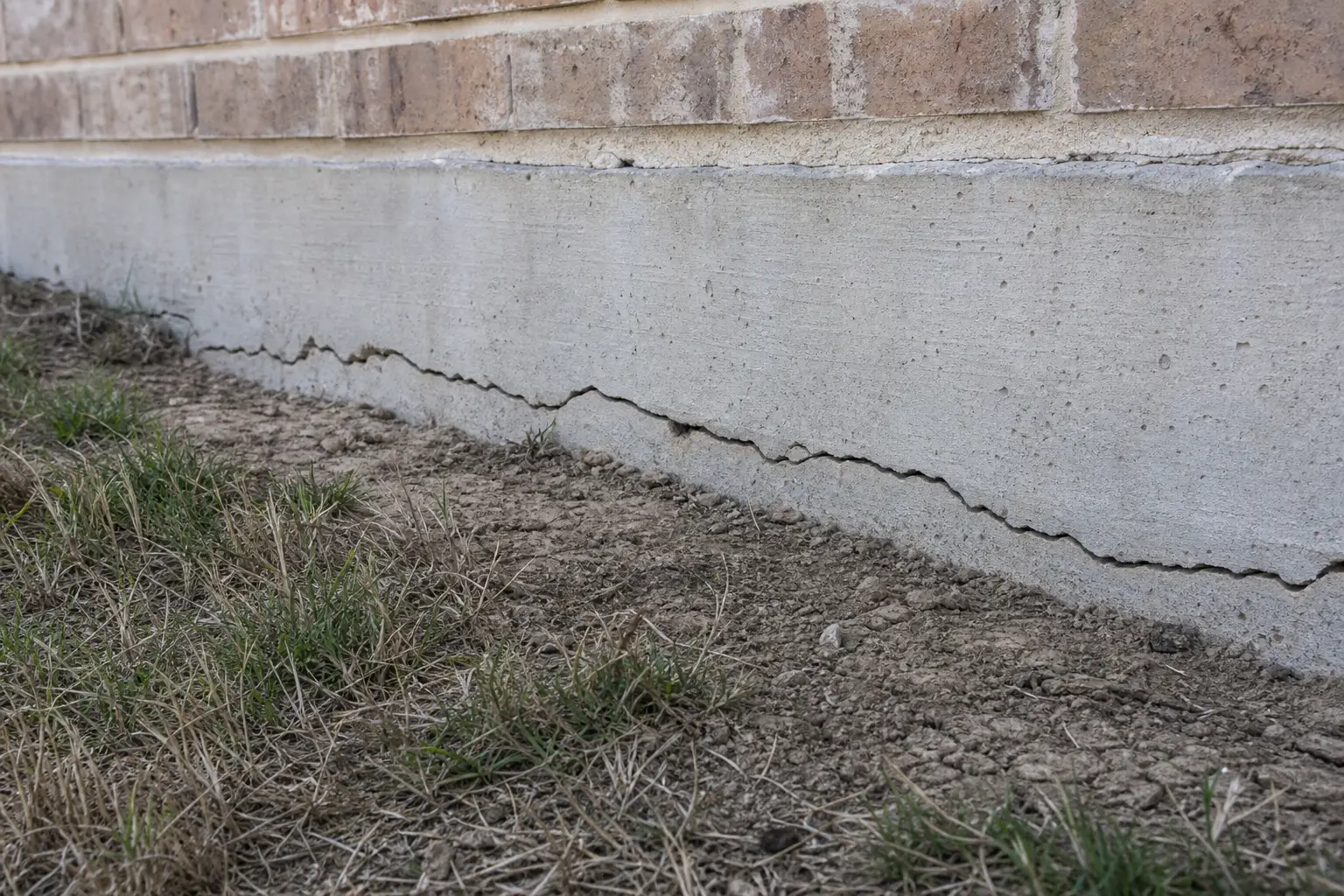
If one portion of the soil becomes heavily saturated while another remains relatively dry, the foundation may begin shifting unevenly over time. Even minor movement can create stress points throughout the structure.
In historic districts like The Heights, aging infrastructure and mature landscaping often affect drainage patterns, and these issues generally become noticeable after periods of prolonged, saturating rainstorms.
Foundation movement doesn’t always happen dramatically or all at once. More often, it develops gradually — slowly transferring increased stress onto already over-stressed plumbing joints, fittings, and threads, all buried beneath the slab.
How Foundation Shifting Damages Plumbing
Underground plumbing systems are designed to remain in one place.
When soil movement or foundation shifting occurs, pipes and fittings begin to experience similar movement, and it’s during that shifting that pipes are exposed to pressures they were never intended to handle. Over time, that stress weakens joints, creates cracks, or causes small separations in underground lines.
These problems often begin subtly.
A tiny leak beneath the slab may go unnoticed for months before visible symptoms appear inside the home or around the edge of the foundation. In some cases, shifting can also affect sewer lines, creating drainage problems or recurring backups.
Warning Signs Homeowners Should Watch For
Drainage-related plumbing problems often develop gradually, but there are usually warning signs.
Some of the most common include:
- Standing water near the foundation after rain
- Cracks appearing in walls or flooring
- Unexplained increases in water bills
- Damp spots on floors
- Slow drains or recurring sewer backups
- Changes in water pressure
These symptoms don’t always mean severe damage has occurred, but they often indicate that conditions around the home deserve closer attention.
Why These Problems Tend to Get Worse Over Time
One of the biggest challenges with drainage issues is that they tend to compound.
Water saturation weakens soil stability. Soil movement stresses plumbing systems. Pipe leaks then introduce even more moisture into the surrounding ground, further increasing instability.
That cycle can continue quietly for long periods before obvious damage appears above the ground or inside the home. By the time visible signs become noticeable, the underlying issue may have been developing for months — or even years.
What Homeowners Can Do to Prevent Drainage Problems
Good drainage starts with directing water away from the home as efficiently as possible.
Keeping gutters clear, extending downspouts, correcting grading issues, and preventing standing water near the foundation can all help reduce long-term risk.
It’s also important to pay attention after heavy storms. If water consistently pools near the home or certain areas remain saturated long after rainfall ends, your outdoor drainage system may need an upgrade.
When to Call Nick’s Plumbing
As soon as you start noticing signs of shifting, recurring drainage issues, or unexplained plumbing problems after heavy rain, it’s worth having the situation evaluated.
Nick’s Plumbing helps homeowners throughout Houston and the surrounding areas identify hidden plumbing issues related to underground leaks, shifting foundations, and drainage-related stress. Catching these problems early can help prevent more serious damage from developing beneath your home.
FAQ: Poor Drainage and Plumbing Problems
Can poor drainage damage plumbing?
Yes. Excess water and shifting soil can place stress on underground plumbing systems and eventually lead to leaks or pipe damage.
Why does standing water around my house matter?
Standing water can saturate soil around the foundation, increasing the risk of shifting and structural movement.
Can foundation movement cause plumbing leaks?
Yes. As foundations shift, underground pipes and fittings may crack or separate under stress.
Why are plumbing problems more common after heavy rain?
Heavy rain changes soil conditions and can expose existing weaknesses in underground plumbing systems.
What should I do if I notice drainage issues?
Improving drainage early and addressing plumbing concerns quickly can help prevent more serious structural damage later.
Poor drainage around your home isn’t just a landscaping issue — it can directly affect the stability of your foundation and the condition of your plumbing system over time. In a region like Houston, where heavy rain and shifting soil are part of life, paying attention to drainage problems early can help prevent much larger repairs later on.
Drainage Issues Threatening Your Foundation or Plumbing?
Nick’s Plumbing serves Houston, Katy, Cypress, The Woodlands, and surrounding areas. Let’s find the problem before it finds you.
Call Now: (713) 868-9907 Schedule Online
Slab Leak Detection • Foundation Plumbing • Drain Services